
Rising waters | Rooted solutions
Ousewem in 2026: what this year is about
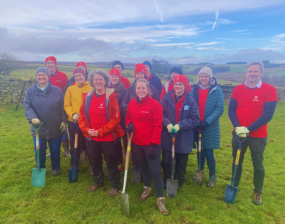
2026 will be Ousewem's largest year of NFM delivery, alongside the application of 4 years of evidence and learning to prepare for the next phase of flood resilience beyond 2027.
Flooding remains a pressing concern across York and the wider Swale, Ure, Nidd and Upper Ouse catchments and communities. 2026 is a significant year for Ousewem. It marks our largest programme of natural flood management (NFM), alongside the application of 4 years of evidence and learning to prepare for the next phase of flood resilience beyond 2027.
Recent reporting in the Yorkshire Post highlighted the ongoing challenge of managing flood risk in and around York. That coverage reinforces the key point at the heart of Ousewem’s approach: upstream action matters because is protects communities downstream, including places that sit beyond city boundaries and are sometimes overlooked in flood narratives.
Flood resilience beyond boundaries
Flood resilience is not just about York. Interventions delivered upstream influence river behaviour far downstream, helping to reduce peak flows and manage risk for homes, businesses and farmland in rural communities as well as York.
Ouswem’s NFM work is designed around this reality. By slowing, storing and managing water higher up in the system, the project supports:
- reduced flood risk for downstream communities
- improved water quality and water resource management
- biodiversity and habitat enhancement
- carbon and wider environmental benefits
This catchment-wide perspective underpins all of Ousewem’s activity and is central to preparing for future investment and delivery.
Building on partnership and collaboration
Partnership sits at the heart of Ousewem. Since 2022, the project has brought together local authorities, delivery partners, researchers and national networks to test, refine and scale NFM across the catchment.
This collaboration has enabled Ousewem to:
- align flood risk priorities across administrative boundaries, recognising that upstream action protects downstream communities
- share data, modelling and evidence to support better decision-making investment
- co-develop approaches that deliver multiple benefits including flood resilience, water quality, biodiversity and carbon
- contribute learning from local delivery into regional and national conversations on nature-based solutions
Rather than working in isolation, Ousewem operates as part of a wider ecosystem of practice. Learning from the project is being retained, shared and built upon through established professional networks and policy forums, helping to shape how NFM is planned, assessed and delivered beyond the current programme.
This collaborative approach ensures that the value of Ousewem’s work extends well beyond individual interventions, supporting consistent standards, shared learning and long-term resilience across the catchment and beyond.
Capturing best practice
A key focus for 2026 is turning delivery experience into clear, transferable best practice.
Ouswem is capturing lessons from across the project to support wider application, including:
- practical guidance on designing and assessing NFM interventions
- shared metrics and indicators for measuring multiple benefits, including flood risk, water quality, biodiversity and carbon
- robust evidence that quantifies the co-benefits of NFM, strengthening the case for long-term investment and funding
- learning that can inform local strategies, national programmes and future funding models
- new ways of engaging and informing audiences, including the York rivers trail, helping translate technical flood resilience work into place-based learning
This work helps ensure that what has been learned through Ousewem can be used elsewhere, supporting more consistent, evidence-led flood resilience approaches across Yorkshire and beyond.
Preparing for the next phase
Looking ahead, 2026 is about laying the foundations for what comes next.
The focus is on:
- consolidating evidence and learning from four years of delivery
- demonstrating the full value of Nature-based Solutions (NbS)
- strengthening networks and partnerships to retain expertise and momentum
- supporting the transition to future delivery and investment beyond 2027
Follow Ousewem’s news to stay informed on how we are preparing for the next phase of flood resilience beyond 2027 and how partners and stakeholders can engage with this work.
Also see
