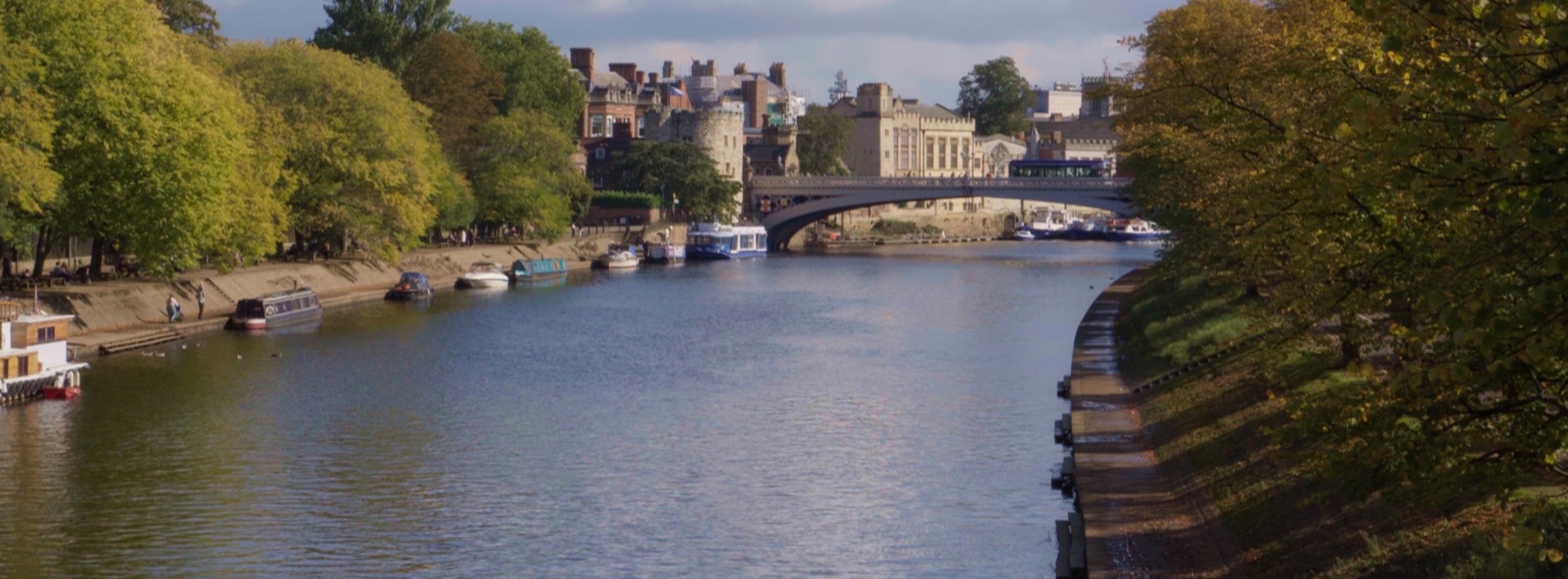
The York rivers trail: the rivers and us is a walking and wheeling experience along the River Ouse in York, bringing together art, storytelling and digital interaction.
A new way to explore York's rivers
The York rivers trail a simple way to explore how water shapes the city - and how people, landscapes and communities are connected through the river.
The trail is part of Ousewem’s wider work across York and North Yorkshire, helping people understand how we live with water now and in the future.
The York rivers trail is not a single fixed route. Instead, it brings together a series of riverside locations, each offering a different perspective on how York lives with water.
From parks and gardens to historic spaces, the trail explores:
nature, planting and biodiversity
history, trade and the changing city
flood protection and climate adaptation
connections between upstream and downstream places
Together, these locations create a flexible experience shaped by curiosity, movement and discovery.
Creative and interactive experiences
Along the trail, you’ll find simple ways to pause, explore and notice more:
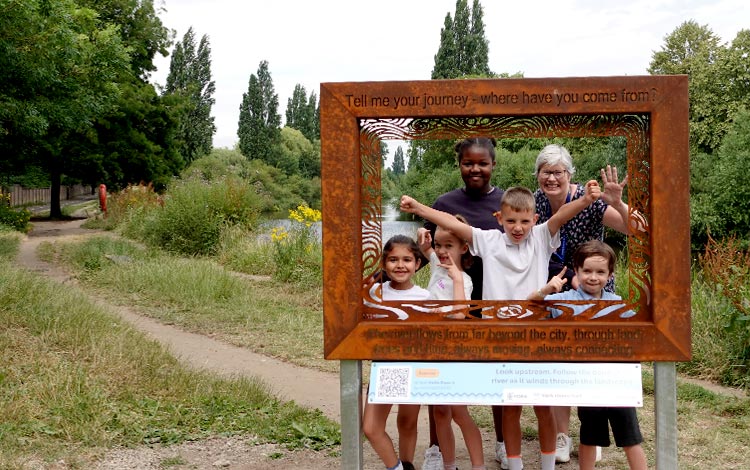
Viewing frames that invite you to look more closely at the river and surrounding landscape
Talk to the river, an interactive experience using QR codes to explore prompts and reflections linked to each location
These elements help make the river feel more immediate, personal and connected to everyday life.
Connecting upstream and downstream
The York rivers trail reflects a catchment-wide perspective, recognising that what happens upstream affects life downstream.
Ousewem works across the Swale, Ure, Nidd and Upper Ouse catchments to support:
nature-based solutions
natural flood management
long-term resilience
The trail brings these ideas into the city, helping people understand how:
landscapes are connected
water moves through places
communities are linked by shared systems
Why this matters
York is built on a floodplain, and its rivers have shaped the city for centuries.
As climate change increases the frequency and intensity of flooding, understanding how water works - and how we respond - becomes more important than ever.
The York rivers trail helps make these ideas visible in everyday places, showing how:
nature can help manage water
communities adapt over time
resilience is built across systems, not single locations